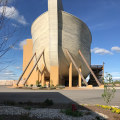
When exploring the exhibits in Wilder, Kentucky, understanding the accessibility standards that govern public spaces is crucial for ensuring an inclusive experience for all visitors. The Americans with Disabilities Act (ADA) sets forth comprehensive guidelines aimed at eliminating barriers for individuals with disabilities. These standards not only cover physical access but also extend to communication and service provisions, ensuring that everyone can enjoy the rich cultural offerings of Wilder. In recent years, many public exhibits have made significant strides in achieving ADA compliance. This includes features such as wheelchair ramps, accessible restrooms, and designated parking spaces.
Additionally, many venues are now incorporating assistive technologies, such as audio guides and braille signage, to enhance the visitor experience for those with sensory impairments. By adhering to these standards, the exhibits in Wilder not only comply with legal requirements but also foster a welcoming environment that encourages participation from all community members. Moreover, the commitment to accessibility goes beyond mere compliance; it reflects a broader understanding of the diverse needs of visitors. As more institutions recognize the importance of inclusivity, they are actively seeking feedback from individuals with disabilities to improve their facilities and services. This proactive approach not only enhances the overall visitor experience but also positions Wilder as a model for other communities striving to create accessible public spaces.
Overview of Exhibits in Wilder, Kentucky
Wilder, Kentucky, is home to a variety of exhibits that showcase the rich history and culture of the region.Visitors can explore a range of attractions, from historical displays to interactive art installations, making it a vibrant destination for both locals and tourists.One of the most notable exhibits in Wilder is the Wilder Historical Museum, which features artifacts and stories that highlight the town's development over the years. This museum offers a glimpse into the past, with exhibits that include vintage photographs, documents, and personal items from residents who shaped the community.In addition to historical exhibits, Wilder also hosts various art shows and cultural events throughout the year. These events often feature local artists and craftsmen, providing a platform for creative expression and community engagement. The Wilder Art Gallery is a key venue for these exhibitions, showcasing rotating collections that reflect both contemporary and traditional art forms.For those interested in nature, the Wilder Nature Center offers educational exhibits focused on local wildlife and ecosystems.
Visitors can learn about native plants and animals through interactive displays that encourage hands-on learning.Overall, the exhibits in Wilder, Kentucky, cater to a diverse audience, ensuring there is something for everyone. Whether you are an art enthusiast, history buff, or nature lover, you will find engaging experiences that enrich your understanding of this charming town.
Physical Accessibility Features
Visitors with disabilities will find that the exhibits in Wilder, Kentucky are designed with accessibility in mind. The facilities prioritize inclusivity, ensuring that everyone can enjoy the rich offerings without barriers.Wheelchair Access
- All main entrances to the exhibits are equipped with wheelchair ramps, allowing easy access for those using mobility devices.
- Interior pathways are wide and clear, accommodating wheelchairs and other assistive devices comfortably.
Ramps and Elevators
- In addition to ramps at the entrances, there are strategically placed ramps throughout the exhibit spaces, ensuring smooth transitions between different levels.
- For multi-level exhibits, elevators are available, providing access to all floors without the need to navigate stairs.
Accessible Parking
- The parking lot features designated accessible parking spaces located close to the main entrance, making it convenient for visitors with mobility challenges.
- These spaces are clearly marked and comply with ADA standards, ensuring they are easily identifiable and available for those who need them.
Sensory Accessibility Considerations
When considering the exhibits in Wilder Kentucky, it is essential to address the needs of visitors with sensory disabilities. The venue has made significant strides in providing sensory-friendly exhibits that enhance the experience for all attendees.One of the key features is the availability of visual aids.These aids include large print materials, tactile displays, and braille signage that help visually impaired visitors navigate the exhibits with ease. By incorporating these elements, the exhibits ensure that everyone can engage with the content meaningfully.Additionally, audio guides are offered throughout the venue. These guides provide detailed descriptions of the exhibits, allowing visitors with visual impairments to enjoy a rich narrative experience. The audio guides are designed to be user-friendly, featuring adjustable volume controls and clear, concise information that caters to various learning styles.Moreover, the exhibits often host sensory-friendly days , where lighting and sound levels are adjusted to create a more comfortable environment for individuals with sensory sensitivities.
During these events, visitors can explore the exhibits without overwhelming stimuli, making it easier for them to focus on the art and information presented.In summary, the exhibits in Wilder Kentucky prioritize sensory accessibility through thoughtful design and resources like visual aids and audio guides. These features not only enhance the experience for visitors with disabilities but also promote inclusivity, ensuring that everyone can appreciate the rich offerings of this cultural destination.
Staff Training and Support Services
At the exhibits in Wilder, Kentucky, the commitment to accessibility extends beyond physical accommodations; it encompasses comprehensive staff training and dedicated support services for visitors with disabilities. Staff members undergo specialized training programs designed to equip them with the knowledge and skills necessary to assist all visitors effectively.Staff Training
- Training includes understanding various disabilities, including mobility impairments, visual and hearing impairments, and cognitive disabilities.
- Employees learn how to communicate effectively with individuals who may require additional assistance, ensuring a welcoming environment.
- Regular workshops and refresher courses are conducted to keep staff updated on best practices in accessibility and inclusivity.
Visitor Support Services
- Personal Assistance: Staff are available to provide personal assistance to visitors who may need help navigating the exhibits or accessing facilities.
- Guided Tours: Special guided tours can be arranged for groups with specific needs, ensuring that everyone can enjoy the exhibits at their own pace.
- Resource Availability: Informational materials in accessible formats, such as braille or large print, are provided upon request to enhance the visitor experience.
Visitor Experiences and Testimonials
Visitors to the exhibits in Wilder, Kentucky have shared a variety of experiences regarding accessibility, highlighting both positive aspects and areas for improvement.Many individuals with disabilities have expressed appreciation for the efforts made to ensure that the exhibits are accessible to all.
Positive Experiences
- John, a wheelchair user: "I was pleasantly surprised by the wide pathways and ramps available at the exhibits. It made navigating through the displays easy and enjoyable. The staff were also very accommodating, offering assistance when needed."
- Mary, who is visually impaired: "The tactile exhibits were a fantastic addition. I could feel the textures and shapes, which enhanced my understanding of the displays.
The audio guides were also helpful in providing detailed descriptions."
Areas for Improvement
- Tom, a visitor with limited mobility: "While most areas were accessible, I found that some of the restrooms were not equipped with grab bars. This made it challenging for me during my visit."
- Susan, a parent of a child with autism: "The sensory-friendly hours were a great initiative, but I think more signage indicating quiet areas would be beneficial for families needing a break from the crowds."
Frequently Asked Questions about Accessibility at Exhibits in Wilder, Kentucky
When planning a visit to the exhibits in Wilder, Kentucky, many individuals have questions regarding accessibility options available for those with disabilities. Below are some frequently asked questions that can help you prepare for your visit.What accessibility features are available at the exhibits?
The exhibits in Wilder are designed to be inclusive.Key accessibility features include:
- Wheelchair Accessibility: All main exhibit areas are wheelchair accessible, with ramps and elevators available to navigate between different levels.
- Accessible Restrooms: Restroom facilities are equipped with accessible stalls and features to accommodate visitors with mobility challenges.
- Seating Areas: Designated seating areas are available throughout the exhibits for those who may need to take a break.
Are service animals allowed in the exhibits?
Yes, service animals are permitted in all areas of the exhibits in Wilder, Kentucky. Visitors are encouraged to inform staff upon arrival if they require assistance related to their service animal.Is there assistance available for visitors with hearing impairments?
The exhibits offer various accommodations for visitors with hearing impairments, including:- Assistive Listening Devices: These devices can be requested at the information desk to enhance audio during presentations.
- Captioning Services: Many video displays and presentations include captioning to ensure accessibility for all guests.
How can I request additional accommodations?
If you have specific needs or require additional accommodations during your visit, it is recommended to contact the exhibit organizers in advance. They are committed to ensuring that all visitors have a positive experience and will do their best to meet individual requirements.By addressing these common questions, we hope to enhance your experience at the exhibits in Wilder, Kentucky, making it enjoyable and accessible for everyone.Conclusion: Ensuring an Inclusive Experience for All Visitors
In conclusion, the accessibility of the exhibits in Wilder, Kentucky plays a crucial role in ensuring that all visitors, regardless of their abilities, can enjoy and engage with the rich offerings of the area. Throughout this article, we have explored various aspects of accessibility, highlighting both the strengths and areas for improvement.It is essential to recognize that accessibility is not merely a compliance issue; it is a fundamental aspect of creating an inclusive environment.By implementing features such as:
- Wheelchair ramps and accessible restrooms
- Signage in braille and large print
- Audio guides for visually impaired visitors
- Sensory-friendly spaces for those with sensory sensitivities
Everyone deserves the opportunity to explore, learn, and connect with the exhibits that reflect our shared heritage.